
Why capital alone won't win the new frontier of mass-market home broadband

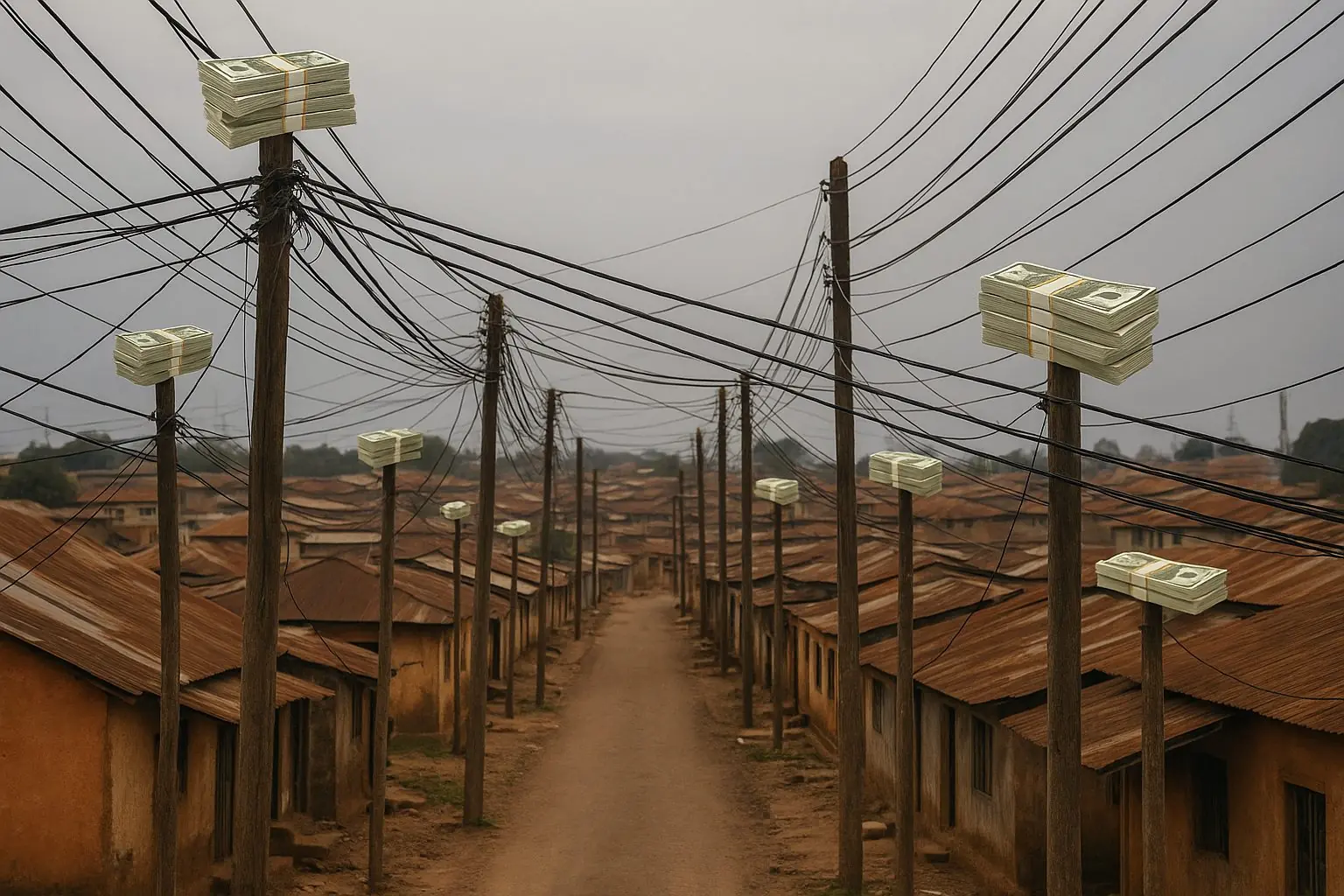
Across Africa's urban neighbourhoods, a quiet revolution is unfolding. Millions of families are going online for the first time, not in office parks or gated suburbs, but in dense, vibrant communities where affordability, trust and daily realities shape every decision.
It's tempting to believe that this new broadband frontier can be conquered by capital alone: that laying more fibre, building larger networks and blanketing cities with Wi-Fi will inevitably translate into scale. But the data and history say otherwise.
When capital meets churn
In markets from Nairobi, Kampala and Cape Town to Lagos, heavily funded operators have spent millions connecting homes that soon go dark. Despite vast coverage, take-up remains low, churn remains high, and average revenue per user often stagnates below sustainable levels.
Why? Because the challenge is not only access, but adoption. The issue is not miles of cable, but the missing bridge between connectivity and daily relevance.
The real work is understanding people
Winning this segment means understanding how households live, earn and go online. It means designing flexible payment models that align with irregular incomes. It means customer support that speaks the language of trust, not tickets. It means literacy programmes, local content and community-based engagement, not just marketing campaigns.
When capital is scarce, these lessons are learned fast. Operators without deep pockets are forced to innovate: to build lean, to listen closely, to make every installation count. They create sticky value propositions because they must.
Scaling without understanding is just scaling the problem
The danger today is that those who rush to scale without truly understanding this market are simply amplifying inefficiency. They are scaling the problem, not the solution. High-churn networks, under-utilised infrastructure and mis-priced products turn away future investors and make it harder for disciplined operators with the right model to attract capital later.
In other words, “spray and pray” doesn't work. It burns capital, erodes trust and slows the entire ecosystem from reaching sustainable growth.
It's not just about money. It's about smart money.
The future of this market isn't defined by who spends the most, but by who invests the smartest. Money deployed in the right way, towards customer understanding, adaptable technology, sustainable unit economics and strong community engagement, creates lasting value.
There's a high risk of over-investing in things that don't move the needle and under-investing in the areas that do. Too often, operators overvalue the investment required to solve the problem, leading to inflated capital needs, higher cost of funding, and unnecessary erosion of founder and investor equity.
Why spend $1,000 when $100 deployed intelligently can achieve the same or better outcome?
The same principle applies when trying to meet the price points required for affordable connectivity. The temptation is to do the obvious: to chase the lowest possible technology cost to achieve the lowest possible price. This often meets the operator's need for lower capex, not the customer's need for fast, abundant, meaningful and reliable connection. That's when cheap becomes expensive, through poor performance, high churn and low lifetime value.
We must get this right. Smart investments that genuinely solve the connectivity challenge will de-risk the entire ecosystem for future investors, bring millions more people into the digital world, and help achieve the transformation we are all seeking.
The future belongs to those who think differently
This is not a story about being underfunded; it's about being disciplined. The next generation of broadband leaders will not just connect homes; they'll connect lives. And they'll do it by combining capital with creativity, empathy and a relentless focus on meaningful connectivity.